Understanding the Difference Between 5G Standalone and Non-Standalone Networks
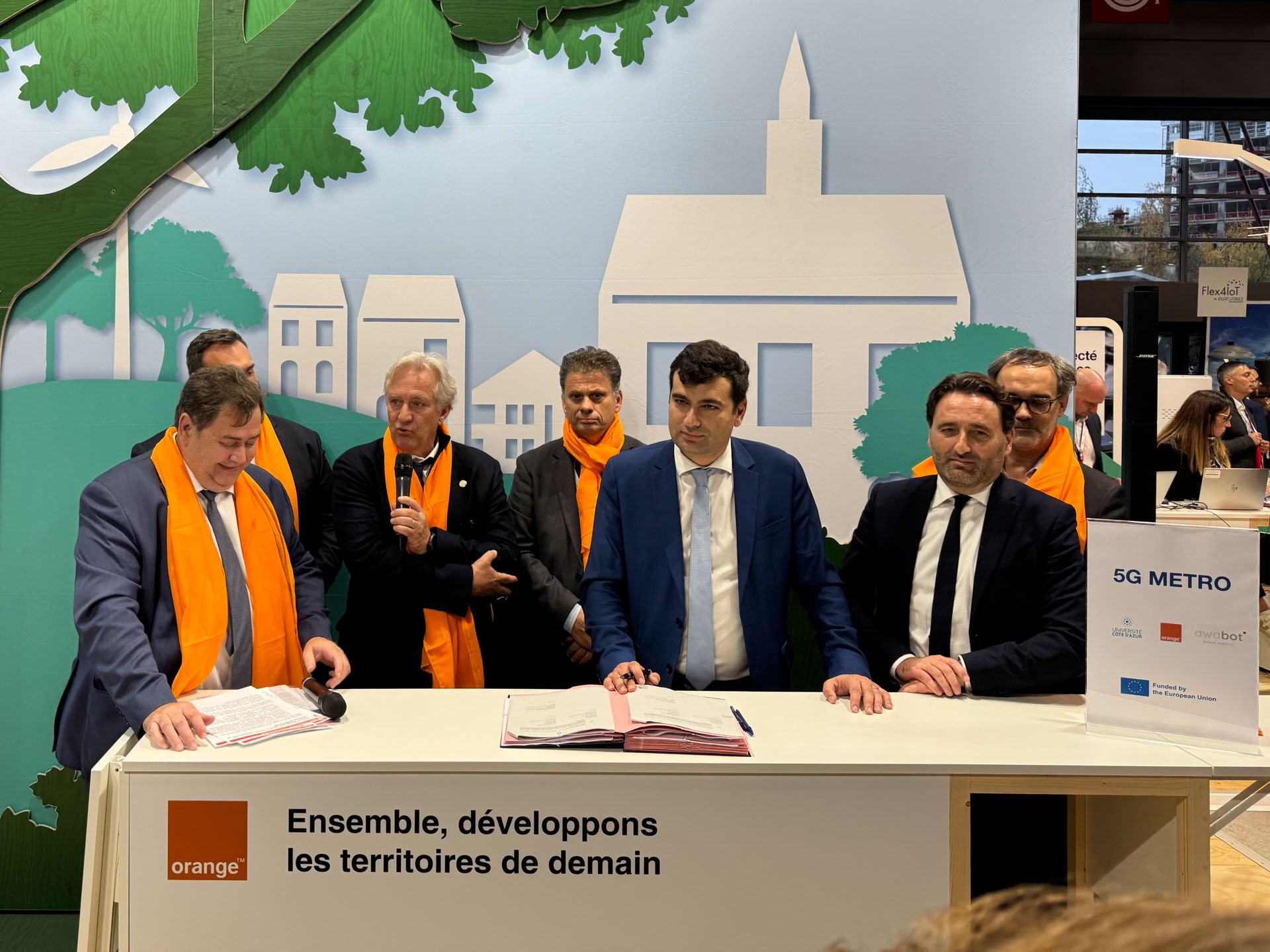
The 5G Metro project is an innovative initiative designed to enhance educational inclusivity through 5G-powered telepresence robots. To achieve seamless, real-time interactions for remote students, the project relies on the latest advancements in 5G technology. But not all 5G networks are built the same. A key distinction exists between 5G Standalone (SA) and 5G Non-Standalone (NSA) networks. Understanding this difference helps explain why 5G SA is essential to delivering the high-performance, low-latency connectivity required by 5G Metro.
Understanding the Difference Between 5G Standalone and Non-Standalone Networks
5G Non-Standalone (NSA): The Transition Phase
5G NSA is an early form of 5G deployment that builds on existing 4G LTE infrastructure. Instead of replacing the entire network, it uses the 4G core network while adding new 5G radio access capabilities. This allows mobile operators to introduce 5G more quickly without fully upgrading their systems.
Key Features of 5G NSA:
- Relies on 4G Core: Uses existing LTE networks for managing connections.
- Limited Latency Improvements: While faster than 4G, latency remains higher than a fully 5G-based system.
- Faster Deployment: Telecom providers can roll out 5G NSA faster by upgrading existing networks.
- Good for Early 5G Use Cases: Works well for improved mobile broadband but lacks the ultra-reliable low-latency capabilities needed for advanced applications.
5G Standalone (SA): The Full Potential of 5G
Unlike NSA, 5G SA operates independently of 4G infrastructure. It is built on a dedicated 5G core network, unlocking the full potential of 5G technology, including ultra-fast speeds, minimal latency, and massive device connectivity.
Key Features of 5G SA:
- New 5G Core Network: Optimized for low latency, high reliability, and better security.
- Ultra-Reliable Low Latency Communication (uRLLC): Essential for applications requiring real-time responses, such as telepresence robots.
- Higher Capacity and Efficiency: Supports more connected devices with better performance.
- Future-Proof: Provides a foundation for cutting-edge innovations like edge computing, IoT, and smart cities.
Thinking of 5G like a train system
To help users understand the difference of 5G NSA and SA, it might be useful to imagine 5G as a train system :
- 5G Non-Standalone (NSA) is like a modern high-speed train using old railway tracks. It can go faster than before, but it is still limited by the old infrastructure.
- 5G Standalone (SA) is like building a brand-new high-speed rail network. The tracks, stations, and trains are all designed to work together for the smoothest, fastest experience possible.
While NSA is a great step forward, only SA can deliver the full benefits of 5G, just like a high-speed train running on a purpose-built network.
Why 5G Standalone is Critical for the 5G Metro Project
The 5G Metro project aims to enhance education through telepresence robots, allowing remote students—especially those in hospital or home care—to actively participate in university life. To ensure a truly immersive and seamless learning experience, the robots must move freely across campus, delivering real-time, high-quality video and audio without delays or connectivity issues.
This level of performance is only possible with 5G Standalone, which provides:
- Ultra-low latency for real-time interactions.
- Seamless mobility across campus without connection drops.
- High reliability and network slicing, ensuring stable performance even in high-demand environments.
By using 5G SA, 5G Metro is paving the way for the future of inclusive, technology-driven education, ensuring that no student is left behind due to physical limitations.
Conclusion: 5G SA Unlocks the Future of Education
While 5G Non-Standalone helped kickstart the 5G revolution, 5G Standalone is the key to fully unlocking the technology’s potential. With its high-speed, low-latency, and reliable connectivity, 5G SA is essential for the success of the 5G Metro project, ensuring that telepresence robots can provide a truly engaging and interactive experience for remote students.
As education continues to evolve, 5G SA will play a fundamental role in bridging the digital divide, making learning more accessible, immersive, and inclusive than ever before.